
How to Get People to Show Up to Your Casino Fundraiser or Event
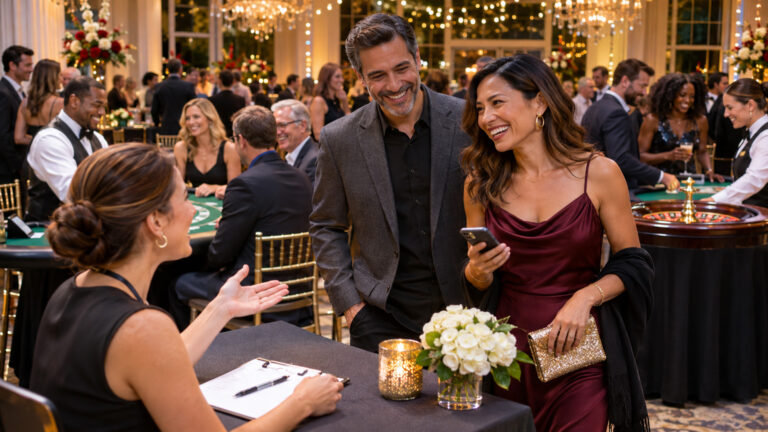
You have booked the venue, arranged the casino tables, lined up sponsors, and promoted your fundraiser. The registration list looks promising. Then event night arrives, and too many of those names never walk through the door.
For a small nonprofit, those empty spaces matter. You have planned food, staffing, and entertainment around an expected crowd. You are also counting on guests to connect with your cause and participate in the evening.
Getting people to register is only part of the work. Getting them to attend takes consistent communication, a clear reason to come, and a plan for keeping their commitment from slipping off the calendar.
Keep communicating after registration
A registration confirmation should start a conversation that continues until the event. Do not assume someone who signed up weeks ago still remembers the date, knows where to park, or has made arrangements to attend.
Be persistent, but make each message useful. Share what guests can expect, introduce an event highlight, explain how their attendance supports the cause, and provide practical details as the date approaches.
Ask for a second check-in, too. A simple “Are you still joining us?” gives people a chance to reconfirm or let you know their plans have changed. Make both responses easy.
If someone does not respond, follow up through another available channel. Treat an unopened email as a reason to check in, rather than proof that the person will not attend. Do not cancel a paid ticket or release a confirmed reservation solely because a message appears unread. For free reservations, explain any reconfirmation deadline and seat-release policy when people register.
The goal is to build an accurate picture of who is coming while keeping guests engaged.
Make the day-before and day-of reminders count
These are two valuable opportunities to remove the small obstacles that can turn a planned outing into a missed event.
The day before, send one concise message with the event name, date, arrival time, address, parking instructions, and anything guests need to bring. Include a contact number for questions and a quick way to confirm attendance or report a cancellation.
On event day, send a shorter reminder that puts the essentials within easy reach. For example:
Tonight is casino night! We look forward to seeing you at [venue]. Doors open at [time], with casino games beginning at [time]. Parking is available at [location]. Questions or a change of plans? Reply here.
If weather affects travel or the schedule, communicate specific updates promptly. Give guests clear information they can use to make their plans.
Collect phone numbers and use text confirmations
Build a mobile-number field into registration and ask permission to send event-related texts. A short text offers another direct way to reach guests and request a response.
Keep it personal and easy to answer:
Hi [first name], this is [organizer] with [organization]. Can we count on seeing you at our casino fundraiser this Saturday? Please reply YES or let us know if your plans have changed. Thank you!
Track those replies. Separate registered guests, reconfirmed attendees, cancellations, and people you have not reached. That gives your team more useful information than a registration total alone.
Keep event confirmations focused on the event. Ask separately before adding attendees to ongoing promotional texts.
Plan for no-shows without exceeding capacity
An extra 10 to 15 percent in your outreach or invitation target can provide a planning cushion, but it should never become an automatic rule for overselling tickets.
Use your own attendance history to estimate turnout. A free community event, a paid fundraiser, and a company party may call for different assumptions. Weather, timing, and the relationship guests have with your organization also belong in that assessment.
Your confirmed admissions should stay within what the venue and event setup can safely accommodate if everyone attends. Include room for staff, dealers, volunteers, and equipment in that conversation with the venue.
When demand reaches your limit, use a waitlist and release places as cancellations come in. You can invite more people without promising more spaces than you have.
Give people a reason to protect the date
“Support our fundraiser” explains your need. Your promotion should also explain what makes the evening worth attending.
A casino night gives you plenty to work with: professional tables and dealers, a welcoming atmosphere for beginners, time with friends, and the chance to enjoy an evening while supporting a cause.
Be specific about what the ticket includes. If there is food, entertainment, or another attraction, describe it clearly. Explain the intended benefit of the fundraiser in concrete terms, using details your organization can support.
Build anticipation by sharing preparations, introducing sponsors, or inviting guests to bring friends. Mention limited ticket availability when it is real. Honest excitement gives people something to look forward to and talk about.
Weather can affect turnout, and enthusiasm cannot remove every barrier. A compelling event still gives guests a stronger reason to keep the date when competing plans arise.
Check the calendar before choosing yours
Before committing to a date, look at major local events, school calendars, holidays, sports schedules, and fundraisers aimed at the same audience.
Think about your specific guests. Parents may have school commitments. Business supporters may face industry events or busy seasons. Another nonprofit may already be asking the same donors and sponsors to attend that weekend.
Sometimes there is an opportunity to coordinate. A nearby gathering, shared audience, or complementary event could support cross-promotion or a combined schedule. Work out the timing, parking, and responsibilities with the other organizer before advertising that connection.
Make attendance part of the event plan
Assign someone to own reminders and confirmations, just as you assign someone to ticket sales or sponsorships. Set the communication schedule before registration opens and review responses as the event approaches.
Afterward, compare registrations, reconfirmations, cancellations, and actual attendance. Those results can help you set more realistic targets for your next fundraiser.
A successful casino fundraiser begins well before the first hand is dealt. Keep guests informed, make it easy to confirm their plans, and give them an evening they are excited to attend.
Planning a casino fundraiser in Greater Philadelphia, New Jersey, or Delaware? Visit Philly Casino Parties to explore professional casino tables and dealers for your event.